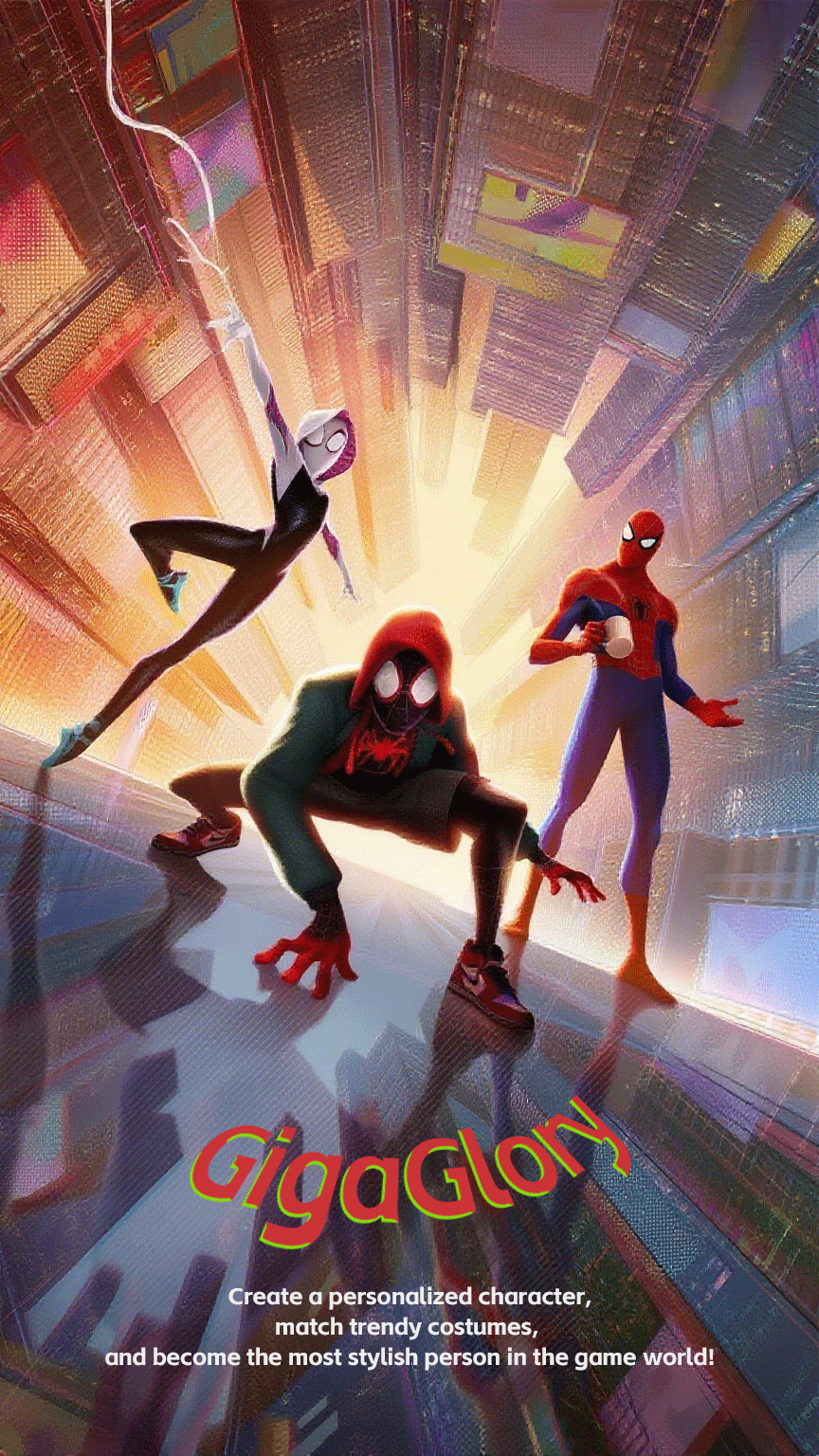
Unlocking Imagination: The Rise of Creative Games in Modern Entertainment
Understanding Creative Games
Creative games have emerged as a significant trend in modern entertainment, providing players with an opportunity to unleash their imaginations. These games encourage innovative thinking and offer immersive experiences that engage users on multiple levels. A key aspect of creative games is their ability to allow players to shape their environments, fostering not only enjoyment but also cognitive skills.
The Evolution of Creative Games
Over the past decade, the landscape of gaming has significantly transformed. From simplistic gameplay to complex interactive environments, the rise of creative games mirrors technological advancements. With the advent of powerful gaming consoles and advanced graphics, developers have been able to craft experiences that are visually stunning and intellectually engaging.
Key Characteristics of Creative Games
- Customization: Players can personalize their characters and environments.
- Exploration: Open-world designs encourage exploration and creativity.
- Community Engagement: Many creative games allow players to share their creations online.
Popular Creative Games in the Market
Some examples of highly regarded creative games include:
| Game Title | Platform | Key Features |
|---|---|---|
| Minecraft | PC, Console, Mobile | Building, Exploration, Survival |
| Roblox | PC, Mobile, Console | User-Generated Content, Social Interaction |
| LittleBigPlanet | PlayStation | Level Creation, 2D Platforming |
EA Sports FC 24 Game Modes
One notable entry in the gaming world is EA Sports FC 24, which has multiple game modes that incorporate creativity:
- Ultimate Team: Players can create their dream team and customize it.
- Volta Football: Focuses on street football with an emphasis on style and creativity.
- Career Mode: Offers opportunities to shape the future of a team, from management to player development.
The Impact of Creative Games on Players
Creative games significantly impact players' cognitive development. As they design, build, and explore virtual environments, they engage in problem-solving, critical thinking, and strategic planning.
The Role of Community in Creative Gaming
The community aspect of creative games cannot be overlooked. Players often collaborate, share ideas, and provide feedback, fostering a vibrant culture that enhances the gaming experience.
Incorporating Creative Games in Education
There is a growing interest in using creative games within educational settings. These games can serve as tools for teaching various subjects, from mathematics to history, offering a fun and engaging learning method.
Challenges Faced by Creative Game Developers
Despite their success, creative game developers face several challenges, including:
- Maintaining player engagement in a rapidly evolving market.
- Balancing creative freedom with technical limitations.
- Combatting online toxicity within gaming communities.
The Future of Creative Games
As technology continues to advance, the future of creative games looks promising. Virtual reality (VR) and augmented reality (AR) are on the horizon, potentially revolutionizing how players interact with gaming environments.
Conclusion
In conclusion, creative games represent a growing segment of the gaming industry, captivating players through imaginative play and engaging experiences. With their focus on customization, exploration, and community, these games not only entertain but also encourage cognitive growth and social interaction. As we look to the future, it will be exciting to see how technology and creativity continue to shape this evolving landscape.